What happened?
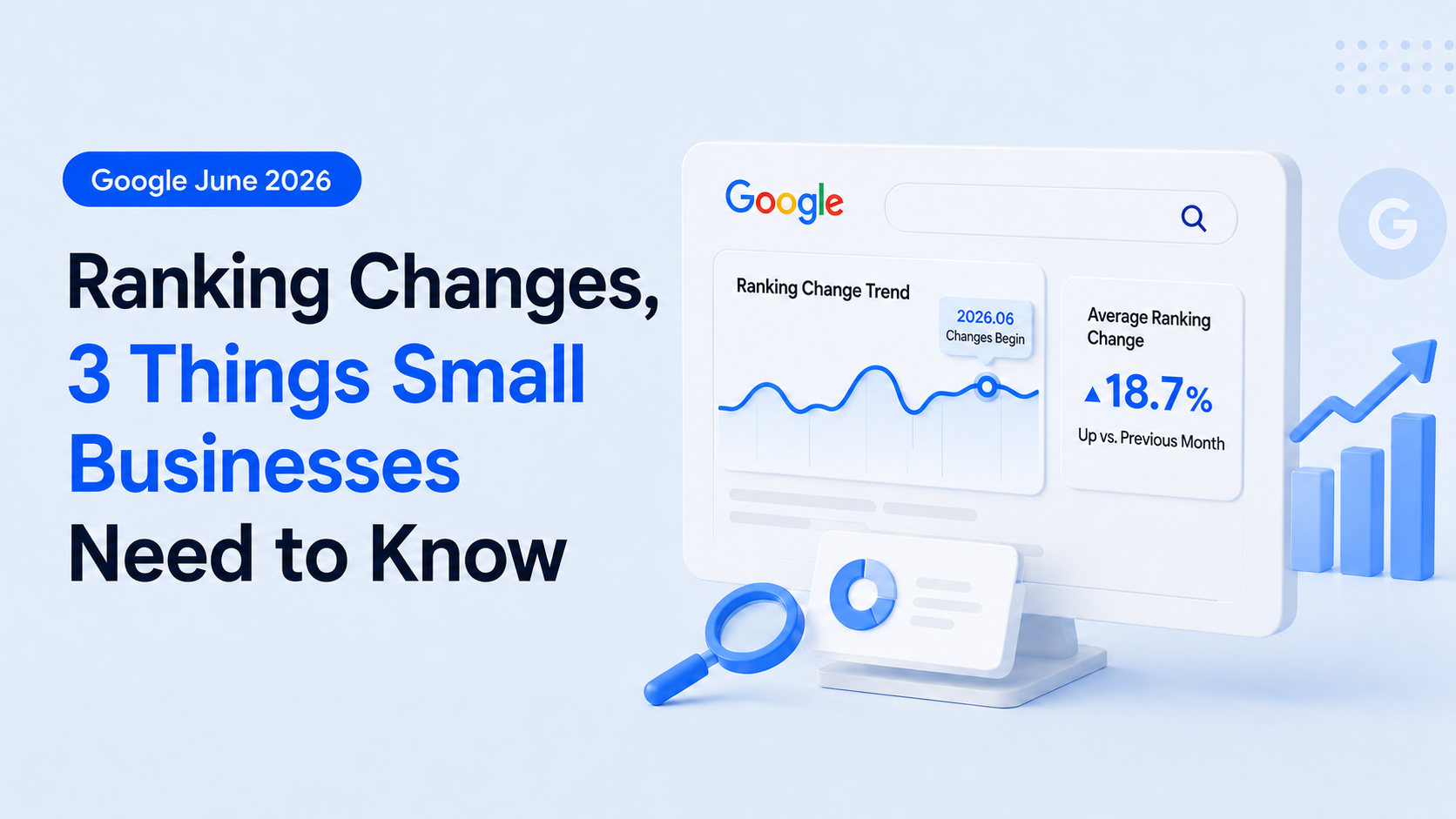
On June 19, 2026, reports flooded the SEO industry about major Google ranking swings. Google did not confirm an official update, but some sites saw traffic fall by 25–50%. There were even cases of 11-year-old sites dropping to roughly one-tenth of their previous traffic.
This volatility appears linked to the aftermath of the May 2026 core update, which started May 21 and finished June 2. Smaller swings were detected June 8–12 and 15–17, with the largest movement on June 19.
Which sites were hit?
Black-hat SEO — shortcuts no longer work
The biggest damage hit sites using black-hat (shortcut) SEO. Search Engine Roundtable’s Barry Schwartz noted that "this volatility seems to have affected black-hat SEO more heavily."
The specific tactics that were penalized include:
- Spam content: articles mass-produced with AI and lightly edited before publishing
- AI response manipulation: content deliberately engineered to appear in AI search results
- Deceptive navigation: sending users to unrelated pages when they press the back button
Google had already explicitly added AI manipulation to its spam policy on May 15. This volatility is a signal that the policy is now being applied in practice.
Informational content sites were affected too
Sites focused on informational keywordsrather than commercial intent terms were hit harder. If your content mostly covers topics like "how to do X" or "what is X," pay close attention.
Some sites were fully removed from Google Discover
Some sites disappeared entirely from Google Discover (Google app’s recommendation feed). Discover sends meaningful traffic to many sites, so exclusion there can cause a sharp drop in visitors.
What this means for small businesses
Honest content wins in the end
The core message of this update is clear: Google is getting better at catching sites that use shortcuts. For small businesses creating good content honestly, that is an opportunity.
Sites that followed white-hat SEO stayed relatively stable through this volatility. Once again, getting the basics right is the most reliable SEO strategy.
Preparing for AI search is the next marketing priority
In the AEO/GEO era, AI search readiness is key
Google adding AI manipulation to its spam policy is an important signal. As AI search (AI Overviews, AI Mode) expands, getting AI to recommend your business becomes a core marketing goal.
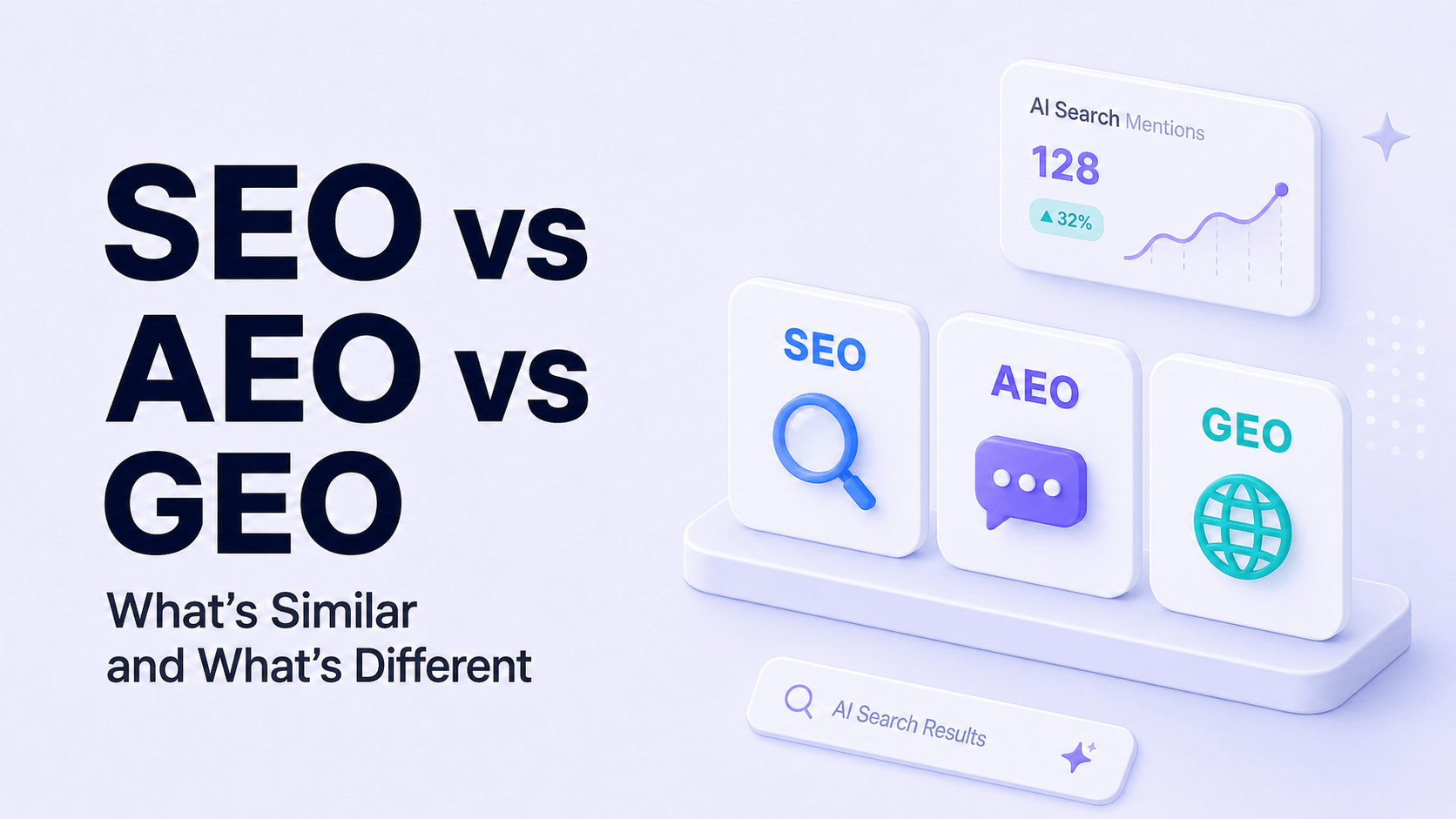
SEO
Rank higher in traditional Google search
AEO
Get AI assistants (ChatGPT, Google AI, etc.) to include your brand in answers
GEO
Get your content cited in generative AI search results
Curious about the difference between SEO, AEO, and GEO? Read SEO vs AEO vs GEO alongside this article.
Three things you can do right now
Check your site traffic directly
Before relying on industry tools like Semrush or Mozcast, start with Google Search Console and your actual visitor data. Those tools often track US-centric keywords and can miss shifts in other markets.
Stop shortcut SEO immediately
If you are using mass-produced AI articles, keyword stuffing, or paid links, stop now. Google’s detection gets more precise with every update.
Create E-E-A-T-based content
Build content grounded in experience, expertise, authority, and trust. Stories from your own business and deep industry knowledge are the strongest signals.
Build a site that stays steady through search changes with AlleoAI
Kroffle's AlleoAI helps small businesses respond to search shifts on their own.
AI homepage health check
See at a glance how your site performs for SEO, GEO, and AEO—and where you fall short versus competitors. When Google updates hit, knowing your weak spots keeps you from panicking.
Interview-based content generation
Turn your experience and expertise into interview-style content that naturally carries E-E-A-T signals.
SEO/GEO/AEO-ready blog
Publishing on a blog built for search from day one helps you build a durable online asset that holds up through Google updates.
AlleoAI analysis is currently available for free. Sign up to get an AI health check on how safe your homepage is against Google updates.
Frequently asked questions
Q1. Was the June 2026 Google ranking volatility an official update?
Large swings were reported across the SEO community around June 19, but Google did not announce a separate update at that time. The June 24–26, 2026 spam update was officially rolled out afterward and is widely interpreted together with the aftermath of the May core update.
Q2. What happens if you use black-hat SEO?
Sites using spam content, AI response manipulation, deceptive navigation, and similar shortcuts were hit hardest. Google explicitly added AI manipulation to its spam policy on May 15, 2026, and SpamBrain-based enforcement is getting stronger.
Q3. What should small businesses check first?
Start with click and impression changes in Google Search Console, stop shortcut SEO, and steadily build E-E-A-T content. Covering SEO, AEO, and GEO together is the baseline strategy going forward.